How Nutrition Supports Successful Periodontal Treatment
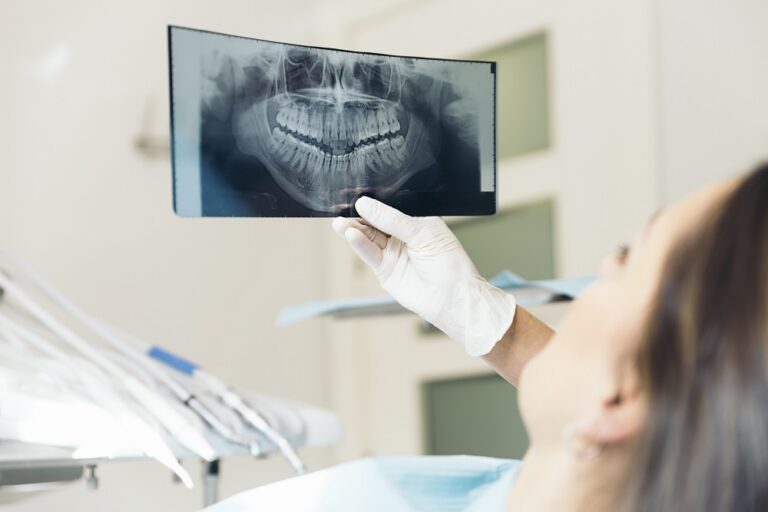
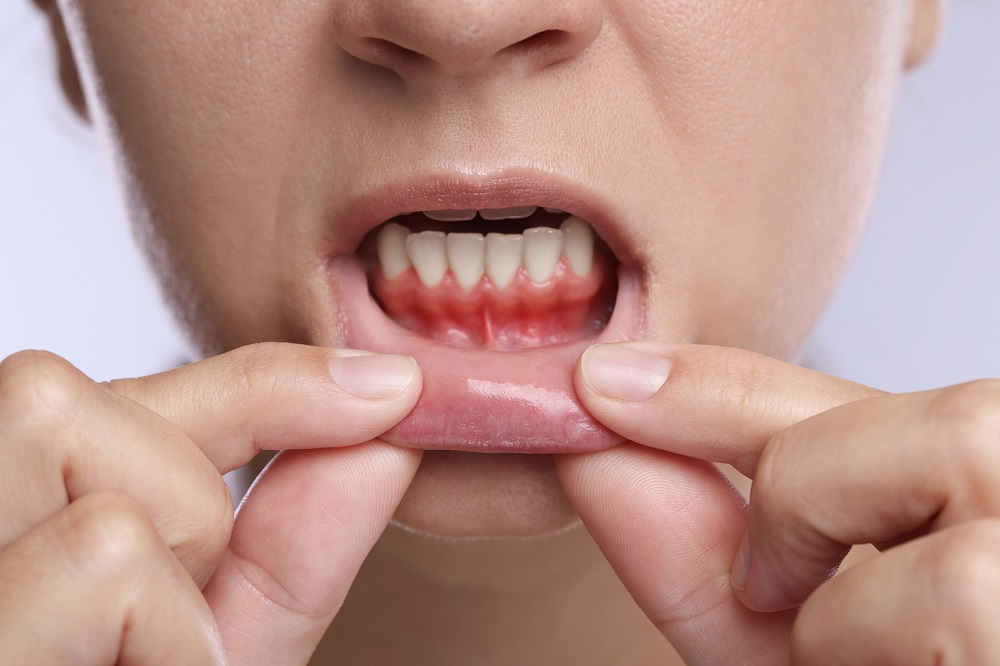
When people think about periodontal treatment, they usually picture scaling and root planing, periodontal surgery, maintenance cleanings, or improved brushing and flossing. Those are central pieces of care. Yet one factor often sits in the background, even though it influences healing every single day: nutrition.
Gums do not recover in a vacuum. Periodontal tissues repair themselves using amino acids, vitamins, minerals, blood flow, immune signals, and energy supplied through food. A patient can have excellent clinical care and still heal more slowly if their diet is poor, blood sugar is unstable, or chronic inflammation is being fueled at the table three times a day. On the other hand, thoughtful nutrition cannot replace periodontal treatment, but it can make treatment more effective and recovery more predictable.
That distinction matters. No food can “cure” periodontitis. Once periodontal disease has progressed to the point of attachment loss or bone loss, professional care is necessary. But nutrition strongly affects the environment in which that care succeeds or struggles.
The mouth heals like the rest of the body
Periodontal therapy asks the body to do demanding work. After deep cleaning, localized antimicrobial treatment, gum grafting, flap surgery, or implant-related procedures, tissues need to control inflammation, rebuild collagen, seal against bacterial invasion, and restore function. Even routine periodontal maintenance depends on the body’s ability to regulate inflammation around the gums.
In practice, the patients who tend to heal best are not always the ones who do everything perfectly, but they are often the ones whose systems are less burdened. Their blood sugar is reasonably stable. Their protein intake is adequate. They are not living on soft refined foods, sweet drinks, and long gaps between meals followed by large late-night eating. Their tissues look less angry at follow-up appointments. Bleeding tends to improve faster. Post-procedure soreness often settles more smoothly.
This is not a moral issue, and it should not be framed that way. It is a biological one. The gums are highly vascular tissues exposed to a dense bacterial environment. They need strong immune defense, reliable circulation, and steady access to nutrients to recover after treatment.
Why periodontitis and diet are so closely linked
Periodontal disease is not caused by food alone. It begins with bacterial biofilm, then progresses depending on the host response. That host response is where nutrition has real influence.
A diet high in ultra-processed foods, added sugars, and refined starches can push the body toward a more inflammatory state. That does not mean one dessert causes gum disease. The pattern over time is what matters. Repeated spikes in blood glucose, low fiber intake, and inadequate micronutrients can contribute to systemic inflammation and impaired immune regulation. In the mouth, that can show up as more bleeding, slower healing, and a harder time getting inflammation under control even after excellent clinical debridement.
At the same time, poor oral health can affect diet. Patients with mobile teeth, gum tenderness, exposed roots, or post-surgical discomfort often shift toward soft, easy foods. Unfortunately, “soft” often becomes pudding, white bread, pasta, mashed potatoes, sweet yogurt, meal replacement shakes with added sugar, or frequent snacking. Those foods may be comfortable to chew, but they are not always ideal for tissue repair.
That creates a cycle. Periodontal disease makes it harder to eat well, and a weak https://finnghuu000.readspirex.com/posts/how-insurance-may-help-cover-periodontal-treatment diet makes periodontal treatment less effective. Breaking that cycle can meaningfully improve outcomes.
Protein is the quiet workhorse of healing
If there is one nutrient category that deserves more attention during periodontal treatment, it is protein. Collagen synthesis, immune cell function, enzyme production, and tissue remodeling all depend on it. After any periodontal procedure, the body is in a repair phase. It cannot build new tissue out of thin air.
In real life, low protein intake is common, especially in older adults, people who skip meals, patients following highly restrictive diets, and anyone relying heavily on refined snack foods. It is not unusual to meet someone recovering from gum surgery whose breakfast is coffee, whose lunch is crackers, and whose dinner contains the day’s only meaningful protein. That patient may not be clinically malnourished, but healing can still be less robust.
The answer is not extreme supplementation. Usually it is a matter of distributing protein more evenly across the day and choosing foods that are easy to manage after treatment. Eggs, Greek yogurt with little or no added sugar, cottage cheese, fish, beans, lentils, tofu, shredded chicken, and smoothies built around unsweetened ingredients can help. Texture matters after a procedure, but quality matters too.
For patients who are sore and hesitant to chew, I often think less about “What can you tolerate?” and more about “How can we make tolerable foods actually useful for healing?” A soft meal built around scrambled eggs and avocado supports recovery far better than a bowl of ice cream, even though both go down easily.
Vitamin C, collagen, and the integrity of the gums
Vitamin C has one of the clearest roles in periodontal health because it supports collagen formation and tissue repair. Severe deficiency is rare in most developed settings, but marginal intake is not. People who eat very little fruit and vegetables, smoke, drink heavily, or rely on convenience foods can run low enough to affect tissue resilience.
Gums that are inflamed from periodontal disease already have a compromised barrier. During treatment, especially after instrumentation or surgery, collagen turnover becomes even more important. Vitamin C is part of that process. It also acts as an antioxidant, which matters because inflamed periodontal tissues are exposed to oxidative stress.
This does not mean megadoses are necessary. More is not always better, and large supplements can irritate the stomach or create false confidence in otherwise poor eating habits. It is usually more effective to build intake from food. Citrus, kiwi, berries, bell peppers, tomatoes, broccoli, and potatoes all contribute. For someone healing from periodontal treatment, a smoothie with berries and plain yogurt or a soft vegetable soup can be both practical and beneficial.
Vitamin D, calcium, and the deeper foundation
Gums get most of the attention in periodontal disease, but the supporting structures beneath them matter just as much. Teeth depend on alveolar bone for stability, and periodontal disease can compromise that support over time. Vitamin D and calcium are not stand-alone treatments for periodontitis, but they are part of the larger picture of bone metabolism and immune regulation.
Vitamin D status is a frequent blind spot. Patients may spend most of the day indoors, live in northern climates, use extensive sun protection, or simply never have their levels discussed. Low vitamin D does not directly cause periodontal disease, but poor status can be one more factor working against optimal healing and bone health.
Calcium is similarly important, yet intake is inconsistent. Some patients avoid dairy without replacing it with other calcium-rich foods. Others assume a supplement is sufficient while the rest of the diet remains weak. The better approach is individualized. Dairy can be useful for many people, but fortified plant milks, calcium-set tofu, canned fish with soft bones, and certain greens may also help, depending on the person’s preferences and digestion.
The key point is that successful periodontal treatment does not end at reducing pocket depths. Long-term stability depends on the health of the tissues that support the teeth, and nutrition is part of that support.
Blood sugar control can change the trajectory of treatment
Any serious discussion of nutrition and periodontal treatment has to address blood sugar. Elevated glucose affects wound healing, immune response, and inflammation. In patients with diabetes or prediabetes, periodontal disease is often more severe and harder to control when blood sugar is poorly managed. The relationship runs both ways, with periodontal inflammation also making glycemic control more difficult.
Clinically, this is one of the most significant factors in treatment outcomes. Two patients may receive the same non-surgical periodontal therapy, keep the same recall schedule, and use similar home care techniques, yet the patient with unstable blood sugar often shows slower improvement. Bleeding may persist. Tissue tone may remain boggy. Surgical planning may need more caution.
Nutrition can support better glucose control, though it should be coordinated with the patient’s physician or diabetes care team when appropriate. The useful shift is rarely dramatic. More fiber, less liquid sugar, more balanced meals, fewer refined snacks eaten alone, and better protein distribution can all help reduce large swings in glucose. For a patient facing periodontal surgery, even moderate improvement in blood sugar management can make recovery more predictable.
What to emphasize during active healing
The days immediately after periodontal treatment are where patients often make nutritional choices based entirely on comfort. That is understandable. The problem is that comfort foods are frequently low in protein and high in sugar. Healing tissues need more than softness.
When chewing is limited, the goal is to protect the site without starving the repair process. Temperature matters too. Very hot foods can irritate fresh surgical areas, while rough, crumbly, or seedy foods may disturb the site. A practical healing diet should be soft, nutrient-dense, and low in irritants.
Here are food approaches that tend to work well after many forms of periodontal treatment:
- Soft proteins such as eggs, yogurt, cottage cheese, tofu, flaky fish, or tender shredded poultry
- Smooth options like blended soups, mashed beans, or smoothies made without excessive sugar
- Vitamin-rich produce in easy textures, including soups, stewed fruits, or well-blended berries and greens
- Hydration from water, milk, or unsweetened beverages rather than acidic or sugary drinks
- Gentle starches such as oatmeal or soft rice paired with protein, instead of eaten alone
That pattern usually serves patients better than the classic “milkshake and pudding” recovery plan. There is nothing inherently wrong with a treat, especially if intake is low, but relying on sweets and refined carbohydrates day after day is not ideal for gum healing.
The inflammatory load of a modern diet
The term “inflammation” gets overused, but in periodontal care it has real meaning. Inflamed gums bleed easily, feel tender, and fail to maintain a strong seal around the teeth. Reducing that inflammatory burden is one of the core goals of treatment.
Diet plays into this through several pathways. Excess added sugar can worsen metabolic stress and contribute to a more pro-inflammatory state. Highly processed foods often crowd out nutrients needed for repair. Low fiber intake can affect the gut microbiome and metabolic health, which in turn influences systemic inflammation. Omega-3 fats may support a more balanced inflammatory response, though they are not a substitute for treatment.
This is where nuance matters. Patients do not need a perfect anti-inflammatory diet to benefit. They need a sustainable pattern that gives their tissues a better environment in which to heal. Swapping a sugary breakfast pastry for eggs and fruit will not reverse periodontitis, but if repeated daily over months, that kind of change supports the same direction as professional therapy.
Smoking, alcohol, and nutritional strain
Smoking is one of the strongest risk factors for poor periodontal outcomes, and it also interacts with nutrition in unhelpful ways. Smokers often have higher oxidative stress and altered healing responses. Some also have lower dietary quality overall, which compounds the issue. Gums in smokers can look deceptively less inflamed because of reduced blood flow, even while disease is progressing. That makes nutritional support important, but again, it cannot offset the biologic damage caused by tobacco.
Alcohol deserves mention too. Regular heavy intake can reduce diet quality, impair immune function, dehydrate tissues, and interfere with healing behavior. Patients recovering from periodontal surgery sometimes underestimate how much evening alcohol affects rest, hydration, and next-day food choices. Even if alcohol is not the primary driver of disease, reducing it during active treatment often helps.
Supplements can help, but they are not a shortcut
Some patients want to know whether a supplement can speed up healing after periodontal treatment. Sometimes the answer is yes, in specific situations. More often, the answer is “possibly, but only if it addresses a real gap.”
A person with low vitamin D may benefit from supplementation under professional guidance. Someone with poor intake after surgery may use a high-protein oral nutrition drink for a few days. A patient who avoids fruits and vegetables entirely may benefit from structured support while dietary habits improve. But broad, high-dose supplement stacks marketed for gum health tend to overpromise.
The more reliable approach is to assess the basics first. Is the patient eating enough? Are they getting consistent protein? Is there likely a deficiency? Is blood sugar under control? Are they hydrated? Are they drinking acidic sports drinks all day because chewing is uncomfortable? Those questions usually matter more than adding another capsule.
Practical nutrition advice patients can actually follow
Ideal advice is useless if it falls apart by the third day after treatment. The best dietary guidance for periodontal patients is specific, realistic, and tied to the stage of care.
During active inflammation before treatment, the priority is often reducing the daily drivers that keep the mouth irritated. That may mean fewer sugary beverages, more structured meals, and a conscious effort to include vegetables and protein. During the first week after a procedure, the focus shifts to texture and healing support. Once the site stabilizes, patients can return to more fibrous foods that support general health and satiety.
A few practical adjustments tend to have an outsized effect:
- Pair carbohydrates with protein or fat to avoid relying on refined carbs alone
- Replace one sugary drink a day with water or an unsweetened alternative
- Choose soft recovery foods that heal, not just foods that slide down easily
- Keep meal timing regular, especially for patients with blood sugar concerns
- Plan ahead before surgery so the house is stocked with appropriate options
That last point is more important than it sounds. Patients often leave a periodontal appointment with instructions but no food plan. Then they stop at a convenience store on the way home and buy whatever seems easiest. A little planning changes the whole recovery experience.
Older adults and patients with complex medical histories
Nutrition becomes even more relevant in older adults, who make up a large portion of periodontal patients. Appetite may be reduced. Dentition may already be compromised. Medications can affect taste, saliva flow, and digestion. Limited income can narrow food choices. A person can look stable and still be undernourished in ways that affect healing.
Protein needs may be higher than expected. Dry mouth may make certain foods unpleasant. Ill-fitting prosthetics can steer people toward low-quality soft diets. In these cases, periodontal treatment planning benefits from a broader view. It is not enough to say “eat healthy.” The better question is, “What are you realistically able to eat, prepare, afford, and tolerate?”
The same applies to patients with gastrointestinal disease, eating disorders, recent weight loss, or conditions that affect absorption. These patients may need coordination with a physician or registered dietitian. Good periodontal care includes knowing when nutrition support needs another professional at the table.
Where oral hygiene and nutrition meet
Nutrition is not a substitute for plaque control. If biofilm remains undisturbed around the gumline, no amount of vitamin C or salmon will rescue the tissues. But once proper hygiene and professional periodontal treatment are in place, nutrition becomes a meaningful force multiplier.
Think of it this way: debridement reduces the bacterial burden, home care limits recolonization, and nutrition helps the host tissues respond effectively. The best outcomes come when all three are working together.
This is often visible at maintenance visits. Patients who combine regular periodontal therapy with improved daily eating habits frequently report changes that go beyond the mouth. Less bleeding when brushing. Better energy. Fewer cravings for sweet drinks. More stable appetite. Sometimes even improved diabetes markers. Those are not accidental side effects. They reflect the fact that oral health is tied to the same biology that governs healing everywhere else.
The real value of nutrition in periodontal care
Nutrition supports successful periodontal treatment because it strengthens the host, and periodontal therapy ultimately depends on the host response. The clinician can remove calculus, smooth root surfaces, reduce pockets, place grafts, and monitor maintenance. What happens next is partly in the patient’s tissues, hour by hour, meal by meal.
That is why thoughtful dietary guidance deserves a place in periodontal conversations. Not as a trendy add-on, and not as a promise of miracle healing, but as practical biology. Protein helps build tissue. Vitamins and minerals support repair. Blood sugar stability improves resilience. Lower inflammatory load helps the gums settle. Better food choices during recovery make treatment easier to tolerate and more likely to hold.
For patients, the takeaway is reassuringly simple. You do not need a perfect diet to help your gums heal. You need a pattern that gives your body the raw materials to recover, and you need that pattern to work alongside skilled periodontal treatment, not instead of it. That is where real progress happens.
Avra Dental
Address: 1708 S Victoria Ave B, Ventura, CA 93003
Phone number: (805) 941-1001
FAQ About Periodontal Treatment
Can a dentist get rid of periodontal disease?
A dentist or gum specialist (periodontist) cannot fully cure or reverse advanced periodontal disease (periodontitis), but they can successfully stop its progression and manage the infection.
Is periodontitis very serious?
Yes, periodontitis is a very serious, advanced form of gum disease that destroys the bone and tissues supporting your teeth.
How is stage 2 periodontal disease treated?
Stage 2 periodontal disease (early to moderate periodontitis) is primarily treated with non-surgical deep cleaning procedures like scaling and root planing to remove bacteria and tartar below the gumline.