Understanding Pocket Reduction Surgery in Gum Disease Treatment
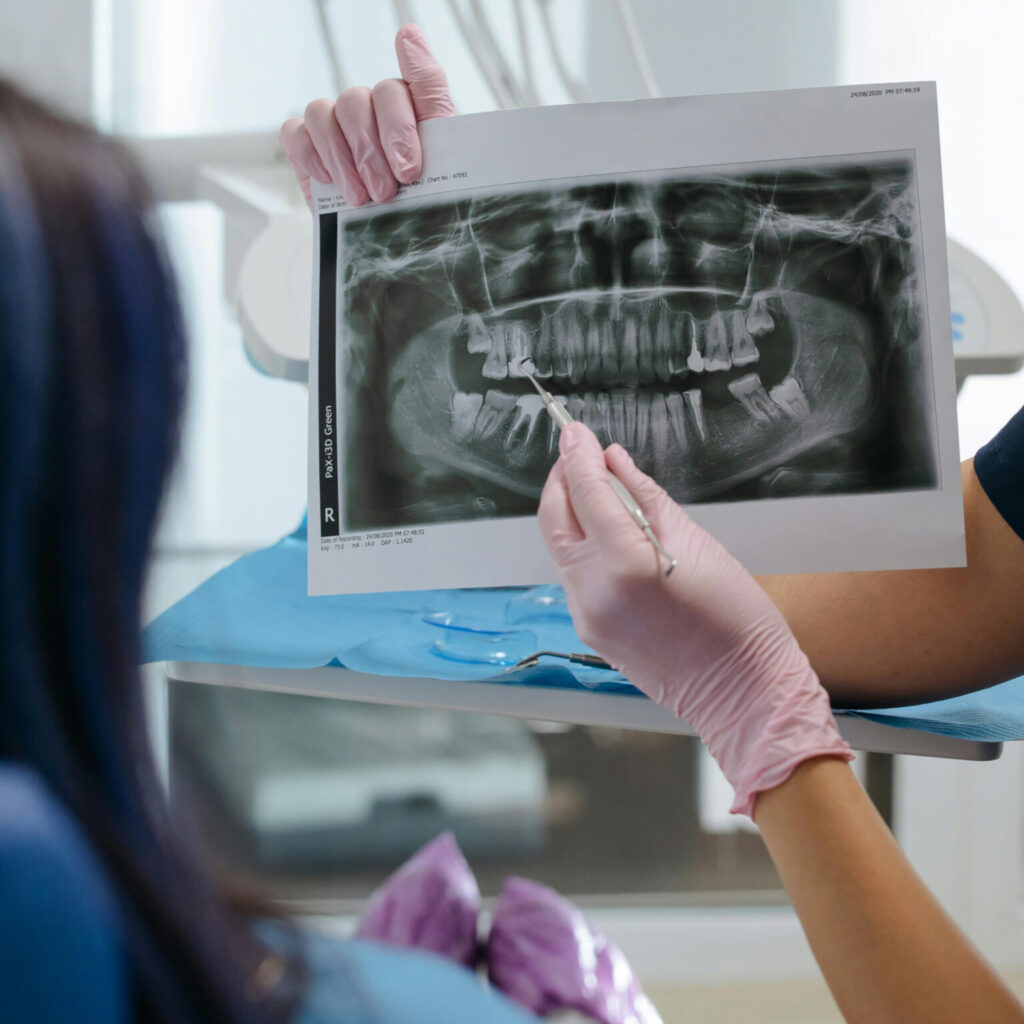
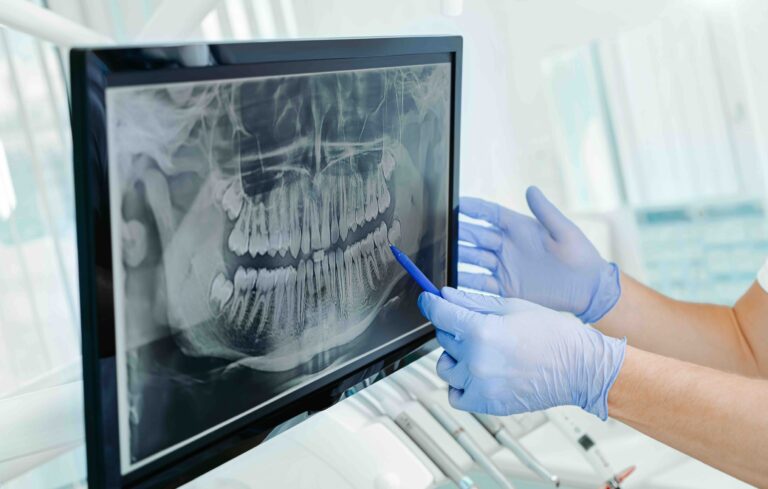
Pocket reduction surgery sits in a category of dental care that many patients do not hear about until gum disease has moved beyond the early stages. By that point, the conversation is no longer only about bleeding while brushing or a little tenderness along the gumline. It is about protecting the bone that supports the teeth, controlling infection that has settled beneath the gums, and creating conditions that make daily cleaning possible again.
For patients, the name alone can sound intimidating. For clinicians, it is often one of the more practical surgical tools in advanced periodontal care. The goal is not cosmetic, though appearance may improve. The goal is to reduce the depth of periodontal pockets, remove disease-causing deposits and damaged tissue, and give the gums a better chance to heal around the teeth in a more maintainable shape.
That last point matters more than many people realize. Gum disease is not simply an issue of sore gums. Once bacteria and inflammation destroy the attachment between gum and tooth, a pocket forms. That pocket becomes a sheltered space where plaque, tartar, and pathogenic bacteria can thrive. A toothbrush cannot reach it. Floss often cannot disrupt it effectively. Even excellent home care has limits when the anatomy itself works against the patient. Pocket reduction surgery addresses that anatomical problem directly.
What periodontal pockets actually are
Healthy gums fit around teeth with a shallow sulcus, usually in the low millimeter range. In periodontal disease, inflammation causes the tissues to loosen and pull away. Bone can also be lost. The result is a deeper pocket between the tooth root and the gum.
On paper, a few millimeters may not sound dramatic. In practice, the difference between a 3 mm sulcus and a 7 mm periodontal pocket is substantial. Once pocket depths increase, especially when bleeding and bone loss are present, the area becomes much harder to keep clean. The deeper the pocket, the more favorable the environment becomes for anaerobic bacteria that drive chronic periodontitis.
During periodontal exams, these depths are measured with a probe. Many patients remember hearing strings of numbers called out around each tooth. Those numbers help build the picture. A single reading does not dictate treatment, but patterns do. Pockets in the 5 to 6 mm range may sometimes respond to non-surgical therapy if inflammation is mostly due to deposits and the patient can maintain excellent plaque control. Deeper sites, especially 6 mm and beyond with bleeding, calculus below the gumline, and radiographic bone loss, often raise the question of surgery.
Where pocket reduction surgery fits in Gum Disease Treatment
Good Gum Disease Treatment is usually layered, not one-dimensional. Pocket reduction surgery is rarely the first move. Most patients begin with diagnosis, risk assessment, and non-surgical periodontal therapy, often scaling and root planing. That phase removes plaque and calculus from above and below the gumline and reduces the bacterial burden. In some cases, local antimicrobials, improved oral hygiene techniques, smoking cessation counseling, and bite adjustment may also play a role.
After healing, the gums are re-evaluated. This step is crucial. Swollen inflamed tissue can create falsely deep readings at the start. Once inflammation subsides, some pockets shrink on their own. Others do not. Those persistent sites are the ones that tend to drive surgical planning.
In real clinical settings, pocket reduction surgery becomes relevant when non-surgical care has improved things, but not enough. A patient may have several areas that went from 7 mm to 4 mm, which is an excellent response, but still carry a few stubborn 6 to 8 mm pockets around molars. That is a common scenario. Surgery is not a failure of initial treatment. It is the next logical step for areas that remain difficult to disinfect and maintain.
Why deep pockets are such a problem
A deep periodontal pocket acts like a hidden trench around the root. Even a conscientious patient cannot reliably clean its full depth every day. Over time, that means the tissues are repeatedly exposed to bacteria and inflammatory toxins. The body responds, and unfortunately that response can damage its own supporting structures.
This is why untreated advanced periodontitis often follows a frustrating cycle. The gums seem calmer for a while, then bleeding returns. Bad breath lingers. Teeth begin to feel different when biting. In posterior teeth, especially around molars with furcations, the anatomy becomes even more difficult. Furcation involvement, where bone loss extends into the space between roots, is one of the practical reasons treatment planning in periodontal disease requires judgment, not just numbers.
Pocket reduction surgery is meant to interrupt that cycle by giving the periodontist direct access to the root surfaces and bone contours. Without that access, certain deposits and tissue irregularities are simply too difficult to manage predictably.
When surgery tends to be recommended
There is no single pocket depth that automatically means surgery. Clinical judgment depends on several factors, including bleeding on probing, mobility, bone loss patterns, the tooth’s strategic value, root anatomy, patient health, smoking status, and the person’s ability to maintain meticulous home care. That said, a few signs often push the conversation toward surgery:
- persistent deep pockets after scaling and root planing, often around 6 mm or more
- bleeding and inflammation that continue despite improved oral hygiene
- radiographic bone loss or defects that trap bacteria below the gumline
- root anatomy or molar furcations that limit non-surgical access
- repeated flare-ups in the same areas during periodontal maintenance
A younger patient with localized aggressive defects may be managed differently from an older patient with generalized chronic disease and several compromised teeth. That is one reason blanket advice can be misleading. The treatment has to match the pattern of disease and the long-term prognosis of each tooth.
What happens during pocket reduction surgery
Patients often picture gum surgery as something severe. In most modern periodontal offices, the procedure is controlled, methodical, and done with local anesthesia. Sedation may be offered depending on the extent of treatment and patient anxiety.
The classic approach is flap surgery, also called osseous surgery or flap access with pocket reduction, though specifics vary. After numbing the area, the periodontist makes small incisions so the gum tissue can be gently lifted away from the tooth roots. This provides direct visibility, which is one of the biggest advantages of the procedure. Calculus that was hidden deep below the gumline can be removed thoroughly. Inflamed soft tissue lining the pocket is cleaned out. The root surfaces are carefully debrided.
If the underlying bone has developed irregular craters or ledges due to periodontal destruction, the surgeon may recontour small amounts of bone to create a shape that is more compatible with healing and easier hygiene. This is the part that sometimes surprises patients. The surgery is not only about the gums. It is about the architecture around the teeth. A more favorable bony contour helps the tissue lie closer to the tooth in a shallower, healthier form.
In some cases, regenerative materials are used instead of or in addition to recontouring. If there is a contained bony defect with the right shape, a clinician may place bone graft material, biologic modifiers, or barrier membranes to encourage regeneration of lost support. This is a more selective decision. Not every periodontal defect is a good candidate for regeneration. Some are too shallow, too wide, or too anatomically unfavorable.
After cleaning and any necessary bone management, the gum tissue is repositioned and sutured. Sometimes it is placed more snugly against the tooth to reduce pocket depth. A periodontal dressing may be placed, though not every office uses one.
The entire process may take under an hour for a limited area or longer for several quadrants. Recovery is usually manageable, but it is still surgery. Patients should expect tenderness, minor swelling, some bleeding or oozing in the first day, and a temporary interruption in normal brushing of the surgical site.
The trade-off patients should understand
Pocket reduction surgery can be highly effective, but it is not magic. One of the most important conversations in periodontal care concerns trade-offs. Reducing the pocket often means the gum margin ends up slightly lower on the tooth after healing. The tooth can look longer. Root surfaces may become more exposed. That can increase sensitivity to cold or touch, particularly in people who already have recession or thin tissue.
From a periodontal standpoint, this trade-off is often worth it. A shallower site with some recession is usually more maintainable than a deep infected pocket with hidden bone loss. Still, the cosmetic impact matters, especially in the front of the mouth. Treatment planning in visible areas requires careful discussion. Sometimes a less aggressive approach is chosen because appearance is a major concern. In other cases, disease control takes priority, and later soft tissue grafting is considered if aesthetics or sensitivity remain a problem.
There is also the basic reality that surgery cannot replace home care. If plaque control remains poor after healing, deep pockets can recur or inflammation can persist in reduced pockets. Patients sometimes hope surgery will “fix” the problem permanently. Periodontal disease does not work that way. It is better understood as a chronic condition that can be controlled very well, sometimes for decades, but not ignored after treatment.
Healing and the first few weeks after surgery
Most people recover from periodontal surgery more comfortably than they expected, especially when they follow instructions closely. The first 24 to 72 hours are usually the most tender. Prescription pain medication is not always necessary, though some patients receive it. Many do well with anti-inflammatory medication, cold compresses on the outside of the face, and a soft diet for several days.
Food choices matter more than patients think. Crunchy chips, seeded bread, and hard crusts can irritate the surgical site. Yogurt, eggs, pasta, soups that are warm rather than hot, oatmeal, fish, and smoothies are usually easier during the early phase. Smoking is especially harmful after periodontal surgery because it impairs blood flow and healing. In heavy smokers, the difference in healing quality can be obvious.
Cleaning instructions are typically modified for the area that had surgery. The patient may be told to avoid brushing directly on the site for a short period and instead rinse with chlorhexidine or another antimicrobial mouthwash, depending on the clinician’s protocol. Sutures are often removed after about one to two weeks, though some are dissolvable. Full tissue maturation takes longer than people expect. The site may look mostly healed within a few weeks, but the deeper remodeling can continue for months.
One point I have seen catch patients off guard is temporary changes in speech or sensation around the treated teeth, especially if several front teeth were involved. This usually settles as swelling decreases and the tissues adapt.
How successful is it?
Success depends on what is being measured. If the question is whether surgery can reduce deep pockets and improve access for cleaning, the answer is often yes. That is exactly where it performs well. Many patients show a meaningful decrease in pocket depth, less bleeding, and improved periodontal stability after healing.
If the question is whether it can restore every bit of lost bone and attachment, the answer is more limited. Traditional pocket reduction surgery is primarily a disease-control procedure. It aims to https://eduardomspc107.capitaljays.com/posts/a-beginner-s-guide-to-gum-disease-treatment-options arrest progression and create a maintainable result. Regenerative surgery may recover some lost support in selected defects, but that depends heavily on defect shape, patient biology, smoking status, plaque control, and the material or technique used.
Long-term studies in periodontology have shown that patients who complete active treatment and remain in regular maintenance can keep teeth for many years, even when disease was previously advanced. The maintenance piece is not optional. That is where the gains are protected.
Maintenance is where the real outcome is decided
After surgery, patients usually move into periodontal maintenance rather than standard six-month cleanings. The distinction matters. Periodontal maintenance visits are designed for a mouth with a history of attachment loss and ongoing risk. Intervals are often every three to four months, though this can vary.
At these visits, the team monitors pocket depths, bleeding, mobility, plaque control, recession, and areas of recurrent inflammation. Deposits are removed from above and below the gumline as needed. These appointments are part of Gum Disease Treatment just as much as surgery itself. In practice, they often determine whether the investment in surgery pays off.
I have seen patients with severe periodontitis maintain stable teeth for well over a decade because they showed up consistently, cleaned carefully, and addressed flare-ups early. I have also seen technically good surgical outcomes fade because maintenance was irregular and home care slipped. The procedure creates opportunity. The patient’s habits preserve it.
Cases where surgery may not be the best next step
Not every deep pocket should be treated surgically. If a tooth has severe mobility, extensive bone loss, a vertical root fracture, or poor restorative prognosis, extraction may be the more honest recommendation. Saving a tooth at all costs is not always sound dentistry. There are times when surgery would add cost and recovery without changing the long-term outcome.
Medical history also matters. Uncontrolled diabetes, certain immune disorders, some medications, and recent cardiovascular issues can affect surgical timing or healing. None of these automatically rule surgery out, but they require coordination and caution. Pregnancy may alter timing as well, depending on urgency and trimester.
Patient preference counts too. Some patients are not ready for surgery and want to try non-surgical re-treatment first, fully understanding the limits. That is reasonable in some cases, particularly where risk is moderate rather than severe. Periodontal care works best when the patient understands the rationale and participates willingly, not when treatment is pushed through fear.
Questions worth asking before saying yes
A good periodontal consultation should leave the patient with a clear picture of the disease pattern and the purpose of surgery. A few questions help clarify that picture:
- Which teeth or sites actually need surgery, and why those areas?
- Is the goal pocket reduction, regeneration, or both?
- What changes in gum height or sensitivity should I expect afterward?
- What happens if I postpone treatment for six months?
- What maintenance schedule will I need after healing?
These questions tend to move the discussion away from vague anxiety and toward practical decision-making. They also reveal whether the treatment plan is individualized or generic.
Cost, value, and the less obvious benefits
Pocket reduction surgery can be costly, and insurance coverage varies. That is a real barrier for many patients. Yet the value cannot be judged only by the fee on the day of treatment. Stabilizing advanced periodontal disease may prevent tooth loss, complex restorative work, repeated emergency visits for gum abscesses, and the cumulative burden of chronic infection.
There is also a quality-of-life angle that gets overlooked. Patients with untreated periodontitis often adapt to chronic bleeding, bad breath, or a sense that their teeth do not feel secure. They may avoid smiling fully or chewing on one side. When disease is brought under control, the change is not only clinical. It is functional and psychological. People eat more comfortably. They stop tasting blood while brushing. They stop wondering whether every loose feeling means a tooth is about to come out.
The bottom line for patients weighing this treatment
Pocket reduction surgery is one of the workhorse procedures in advanced periodontal care because it addresses a simple but stubborn problem: deep infected spaces that cannot be managed predictably from the outside. It is not the first step for every patient with gum disease, and it is not a cure in isolation. It is a targeted intervention used when anatomy, inflammation, and bone loss have created pockets that continue to threaten the teeth despite careful non-surgical therapy.
When recommended thoughtfully, it can make the mouth healthier, easier to clean, and more stable over time. The best results usually come when three things line up: accurate diagnosis, appropriate surgical judgment, and a patient who commits to maintenance afterward.
For anyone hearing this recommendation for the first time, the smartest next move is not to focus only on the word surgery. Focus on the reason it is being suggested. Ask what the pockets measure now, what happened after initial therapy, what the tooth-by-tooth prognosis looks like, and how the procedure changes the long-term picture. In periodontal care, that is where good decisions start.
Dental Group Of Beverly Hills
Address: 8641 Wilshire Blvd #125, Beverly Hills, CA 90211
Phone number: +13109296335
FAQ About Gum Disease Treatment
How to improve gum health quickly?
To improve gum health quickly, eliminate plaque buildup by brushing for two full minutes twice a day at a 45-degree angle to the gumline. Floss daily to clean under the gumline, and rinse with an antimicrobial, alcohol-free mouthwash. For immediate relief of soreness, use a warm saltwater rinse.
What is the fastest way to cure gum disease?
To quickly cure early-stage gum disease (gingivitis), eliminate the plaque buildup causing the inflammation. Brush gently but thoroughly for two minutes twice daily, floss daily, and use an antibacterial mouthwash or a warm saltwater rinse. However, if tartar has hardened, professional treatment is necessary.
How do I treat my gum disease at home?
You can treat early gum disease at home by practicing strict daily oral hygiene, rinsing with salt water or antibacterial mouthwash, and quitting smoking. True gum disease (especially advanced forms like periodontitis) cannot be fully cured at home once tartar forms, and you must see a dentist for professional cleanings.