Why Dental Bonding Is Ideal for Minor Cosmetic Repairs

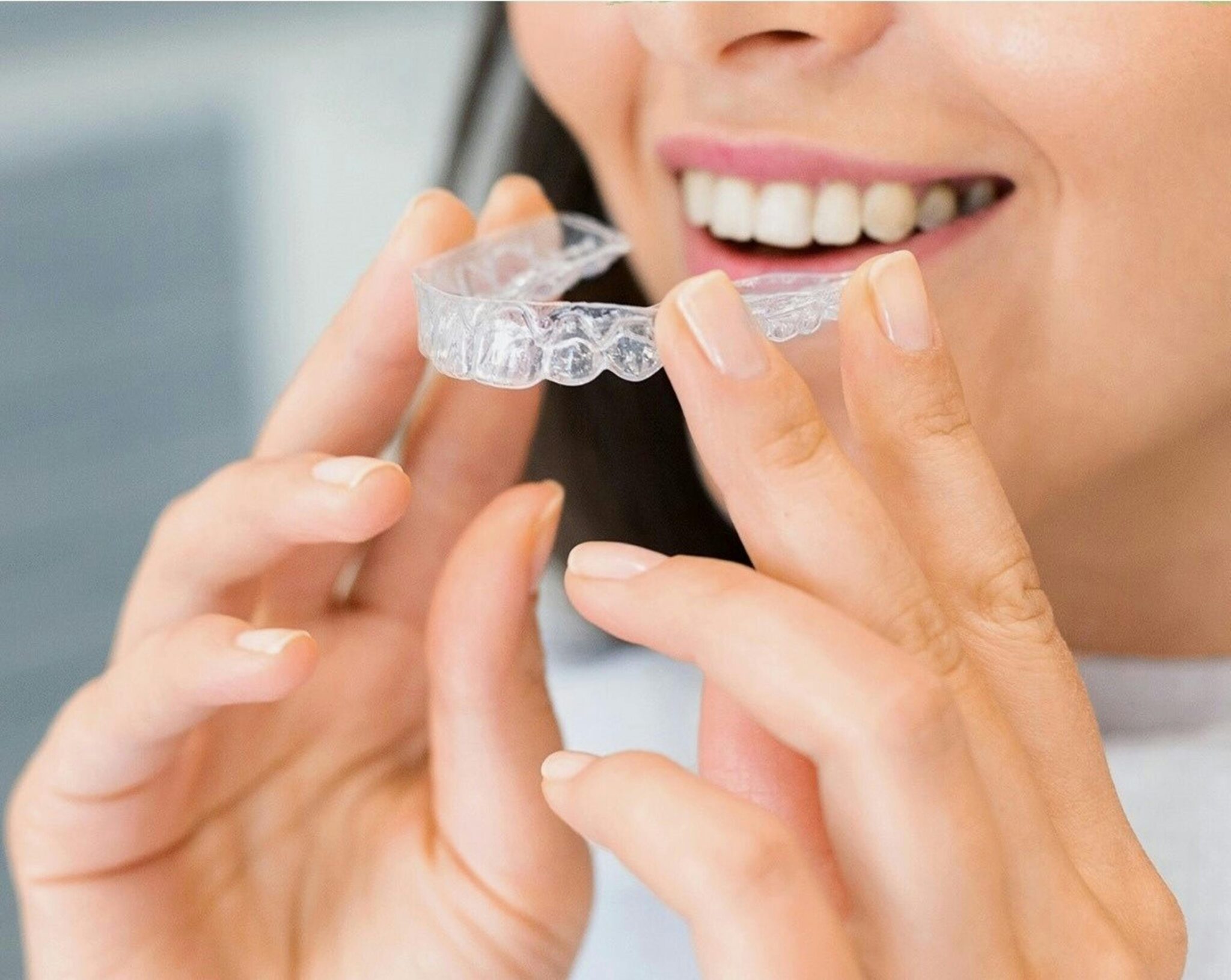
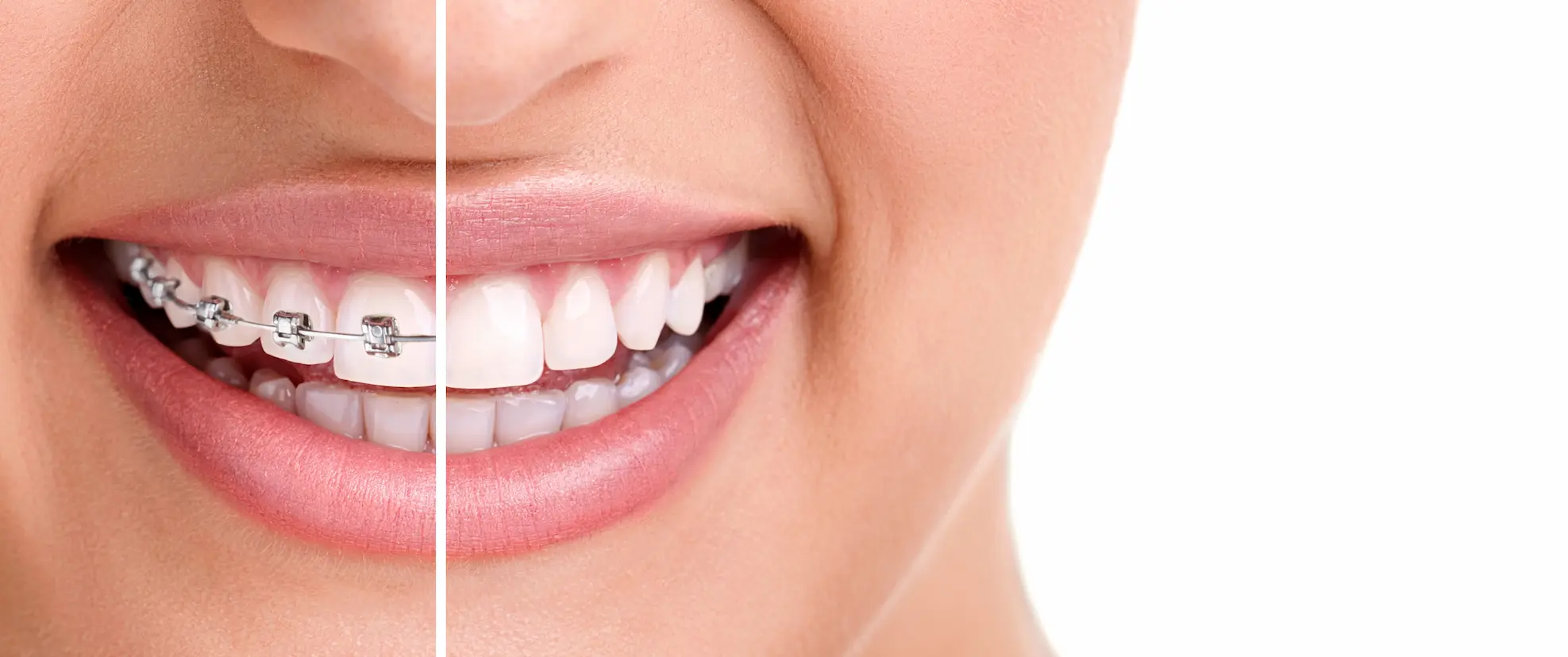
A surprising amount of cosmetic dentistry is not about dramatic makeovers. More often, it is about small details that catch the eye every time someone smiles in the mirror. A tiny chip on a front tooth. A rough edge from years of grinding. A narrow gap that was never severe enough to justify orthodontics. Mild staining that does not respond well to whitening because it sits within the tooth structure rather than on the surface.
For these kinds of concerns, Dental Bonding remains one of the most practical tools in modern cosmetic care. It is conservative, versatile, and usually far more approachable than patients expect, both in cost and in time commitment. When the defect is minor and the tooth is otherwise healthy, bonding often hits the sweet spot between aesthetics, preservation, and convenience.
That balance matters. In cosmetic dentistry, the best treatment is not always the most expensive or the most extensive. It is the one that improves appearance while respecting the natural tooth. Dental Bonding does that particularly well.
What dental bonding actually is
Dental Bonding uses a tooth-colored composite resin to reshape or repair part of a tooth. The material is placed directly onto the tooth, sculpted by hand, hardened with a curing light, and then polished so it blends with the https://penzu.com/p/2ac98d22af8cc1f8 surrounding enamel. When done well, it can be difficult for anyone else to spot where the natural tooth ends and the restoration begins.
The technique sounds simple, but it is highly operator-sensitive. The dentist has to understand color, translucency, contour, bite dynamics, and surface texture. Even for a small repair, there is judgment involved. A front tooth does not just need to be white enough. It needs to reflect light naturally, match the neighboring teeth, and feel right when the patient closes and speaks.
That is one reason Dental Bonding has held its place for so long. It combines artistry with practicality. The material is modern and adaptable, but the real value lies in how precisely it can be applied to a small cosmetic problem without turning it into a larger dental project.
The sweet spot: small flaws with big visual impact
Minor cosmetic defects tend to bother patients out of proportion to their size. A chip that measures only a millimeter or two can draw attention every time the lip moves. A tiny gap can alter the symmetry of the smile. One uneven edge can make all the front teeth look older.
These are exactly the kinds of issues where bonding excels.
If a tooth has a small chip from biting a fork, catching a seed in a salad, or simply wearing down over time, composite can restore the missing shape in a single visit. If the corner of an incisor is slightly shorter than the other side, bonding can bring balance back to the smile without drilling the tooth down for a veneer. If someone has peg-shaped lateral incisors, which are naturally smaller side front teeth, bonding can broaden and soften their shape with very little intervention.
In practice, patients often arrive convinced that they need crowns or veneers because those are the treatments they have heard most about. Then they learn that the defect is actually ideal for bonding. That moment matters. It shifts the conversation from maximal treatment to appropriate treatment.
Why conservative dentistry matters
One of the strongest arguments for Dental Bonding is that it usually preserves far more natural tooth structure than alternatives. That matters at every age, but especially for younger patients whose teeth are healthy and intact aside from a cosmetic imperfection.
A veneer can be an excellent treatment when used for the right reason. The same is true for a crown. But both typically require more tooth alteration than bonding. With bonding, there may be little to no drilling at all, depending on the case. In some situations, the tooth is simply cleaned, lightly conditioned, and prepared to receive resin.
That conservative approach has long-term value. Once a tooth is drilled for a more aggressive restoration, there is no true undo button. Restorations also have life cycles. They may need repair or replacement down the line. Starting with the least invasive option that can achieve the goal is often a sound clinical philosophy.
Patients tend to appreciate this instinctively. Most people would rather keep their own enamel than sacrifice it for a problem that could be solved with an additive technique. Bonding lets the dentist add what is missing rather than remove what is healthy.
The speed factor is hard to overstate
One reason Dental Bonding is so popular is simple: it fits real life.
Many cosmetic treatments involve multiple appointments, temporary restorations, lab communication, or healing intervals. Bonding often does not. A minor chip repair or gap closure can frequently be completed in one visit, sometimes in under an hour per area, depending on complexity.
That speed is not just about convenience. It lowers the barrier to treatment. Someone who has lived with a cosmetic flaw for years may finally move forward because the process is manageable. No surgery. No waiting weeks for the final result. No major interruption to work or family schedules.
There is also an emotional aspect to same-day treatment. Cosmetic concerns are personal, and they can wear on confidence in subtle ways. When a patient walks in self-conscious about a chipped front tooth and leaves with a natural-looking repair before lunch, the impact is immediate. It is one of those moments in dentistry where the technical fix and the psychological relief arrive at the same time.
Bonding is often more affordable than patients expect
Cost is never the only factor in treatment planning, but it is always a real one. Dental Bonding is typically less expensive than porcelain veneers or crowns because it is completed directly in the office and does not usually require laboratory fabrication.
That lower price point makes cosmetic improvement available to people who would otherwise postpone treatment indefinitely. It also gives patients a way to address a localized flaw without committing to a larger investment across multiple teeth.
Of course, affordability should not be confused with being disposable or low quality. Good bonding requires careful technique, artistic skill, and high-quality materials. But from a financial standpoint, it is often the most efficient way to improve the appearance of a healthy tooth with a minor defect.
This becomes especially relevant when the cosmetic issue is isolated. If only one front tooth has a chip, placing veneers on several teeth to maintain symmetry may be excessive. Bonding allows a targeted repair instead of forcing the patient into a broader cosmetic plan.
Where bonding shines most
Dental Bonding is not the answer to every aesthetic problem, but it is exceptionally effective in a focused set of situations. In everyday practice, it tends to work best for concerns like these:
- Small chips or worn edges on front teeth
- Minor gaps between teeth
- Slight shape irregularities, including short or narrow teeth
- Localized discoloration that can be masked with composite
- Root exposure near the gumline, when appearance and sensitivity are both concerns
These are modest issues on paper, yet they often make a disproportionate difference in how a smile is perceived. Bonding works because it addresses them directly, without asking the tooth to undergo more treatment than the problem demands.
The aesthetic advantage of a customizable material
Composite resin is remarkably adaptable. It comes in different shades and opacities, which allows the dentist to mimic the way natural teeth interact with light. Teeth are not flat blocks of color. They have depth, variation, subtle translucency at the edges, and a certain surface texture that affects brightness.
This is where experienced hands matter. A good cosmetic bonding case is not simply a matter of selecting a shade labeled "A1" or "B1" and filling in a chip. The resin has to be layered and shaped with intention. The incisal edge, which is the biting edge of a front tooth, often needs a different look than the body of the tooth. The final polish has to create a natural sheen, not an artificial gloss that stands out.
When bonding is done thoughtfully, the result can be remarkably lifelike. Patients sometimes assume porcelain always looks better, but that is not universally true for minor repairs. On a small defect, beautifully blended composite can be the more elegant solution because it treats only the area that needs help and leaves the surrounding natural enamel untouched.
Bonding handles edge cases better than many people realize
Dentistry rarely presents textbook-perfect scenarios. A patient might have a tiny chip, mild enamel craze lines, and one slightly rotated tooth. Another might want a gap closed, but also have a deep bite that places pressure on the repair. A teenager may need a cosmetic improvement now, but not be ready for a more permanent indirect restoration later in life.
Bonding offers flexibility in these gray zones.
For adolescents and young adults, that flexibility is particularly useful. Teeth continue to change subtly over time, and gum levels can shift as someone matures. A conservative bonded repair can improve appearance today without locking the patient into a more aggressive treatment path too early.
Bonding is also repairable. If a small area stains, chips, or wears, it can often be refreshed or added to without remaking the entire restoration. That is not a trivial benefit. Dentistry happens in the real world, where people clench, chew ice, drink coffee, and sometimes forget their night guards. A treatment that can be maintained incrementally has practical appeal.
The trade-offs deserve an honest discussion
Saying that Dental Bonding is ideal for minor cosmetic repairs does not mean it is perfect. Every material has limitations, and patients should understand them before treatment begins.
Composite resin is generally not as stain-resistant as porcelain. Over time, especially in people who drink a lot of coffee, tea, red wine, or who smoke, bonded areas may pick up discoloration more readily than ceramic restorations. Bonding can also chip or wear, particularly on biting edges that take repeated force.
Longevity varies with the location, the size of the repair, the bite, oral habits, and the quality of the original work. A small bonded addition on a protected area may last for years with minimal change. A larger edge repair on a patient who grinds at night may need maintenance sooner. That does not make bonding a poor choice. It simply means the treatment should match the functional reality of the mouth.
There are also cosmetic limits. If a patient wants a dramatic smile redesign involving major color change, broad shape transformation, or multiple teeth with significant wear, bonding may not provide the stability or predictability that porcelain can offer. In those cases, veneers or crowns may be more appropriate.
The key is proportion. Bonding is strongest when the defect is minor, the tooth is healthy, and the desired improvement is specific and realistic.
Good case selection is everything
The difference between a bonded restoration that feels seamless and one that fails prematurely often comes down to case selection. Dentists weigh several factors before recommending bonding, even for a small cosmetic issue.
Heavy grinding is one of the biggest variables. If someone clenches intensely or has visible wear facets, a delicate bonded edge may be vulnerable unless the bite is managed and a night guard is used. Moisture control is another issue. Bonding relies on a clean, dry field for proper adhesion. Certain positions in the mouth are easier to isolate than others.
The underlying tooth color matters too. If the natural tooth is very dark or discolored, masking it with composite can become more challenging, especially when trying to keep the restoration thin and natural-looking. Sometimes bonding can still work, but expectations have to be realistic.
Then there is the question of symmetry. A single-tooth repair is often straightforward when the goal is to restore what was there before. It becomes more demanding when the aim is to change width, length, and proportion in a visible area while matching adjacent teeth perfectly. It can still be an excellent choice, but it requires more design judgment and finishing skill.
Patients benefit most when their dentist talks through these variables openly rather than presenting every option as equal.
The patient experience is usually easier than expected
Many people hear the term "cosmetic dental procedure" and assume it will involve needles, drilling, and recovery time. With Dental Bonding, that is often not the case for minor repairs. Depending on the situation, anesthesia may not even be necessary.
The appointment itself is usually straightforward. The tooth is cleaned, the surface is prepared, and the composite is placed in careful increments. The shaping stage can be surprisingly detailed because small changes in contour make a large visual difference. Once the resin is cured, the dentist refines the shape, checks the bite, and polishes the restoration.
The polishing step is more important than patients realize. A smooth, anatomically correct finish affects both appearance and durability. Rough or bulky bonding tends to stain faster, catch on the bite, and feel unnatural. Well-finished bonding disappears into the smile and into daily function.
Patients often comment less on the procedure itself than on the relief afterward. They run their tongue over the tooth and it feels whole again. They smile without guarding that side of the mouth. The fix is small, but the effect is immediate.
How to make bonding last longer
Even though Dental Bonding is ideal for minor cosmetic repairs, its longevity depends partly on how it is treated after placement. Daily habits matter more than most people think.
The most common threats are not dramatic accidents. They are repetitive forces and staining habits. Biting fingernails, tearing packages with front teeth, chewing ice, and skipping a night guard when grinding is already known, these are the kinds of things that shorten the lifespan of bonding. So do long stretches without professional polishing and routine exams.
A few habits go a long way:
- Avoid using front teeth as tools for opening or tearing
- Limit hard habits such as chewing ice or pens
- Wear a night guard if you clench or grind
- Keep up with cleanings, exams, and occasional polishing
- Be mindful that coffee, tea, wine, and tobacco can stain composite over time
None of this is burdensome, but it is worth discussing before treatment. Bonding performs best when patients view it as a high-value repair that deserves reasonable care, not as something indestructible.
Bonding versus veneers for small cosmetic concerns
This comparison comes up often, especially with front teeth. Veneers are excellent restorations, but they are not automatically better simply because they are more sophisticated or more durable in some contexts.
For a small chip or slight contour problem, a veneer can be more treatment than necessary. It usually requires preparation of the entire facial surface of the tooth, even though the defect itself may involve only a corner or edge. Bonding, by contrast, can often address the problem directly and conservatively.
Veneers do have advantages. Porcelain generally resists staining better, holds polish well, and can provide more controlled esthetics when several teeth are being redesigned together. But for isolated, minor defects, the trade-off may not justify the added tooth reduction, cost, and treatment complexity.
A useful way to think about it is this: veneers are often best for broad smile design, while bonding is often best for focused repair. There is overlap, of course, but that distinction helps patients understand why a simpler option may actually be the smarter one.
Why experience matters more than the material alone
Patients sometimes ask whether bonding is "good enough," as though the result depends mostly on the product inside the syringe. In reality, Dental Bonding is one of the most technique-dependent procedures in cosmetic dentistry.
The dentist must know how to manage adhesion properly, how to shape anatomy that looks believable, how to finish and polish for longevity, and how to adjust the bite so the repair is protected. Those details separate bonding that lasts and disappears visually from bonding that looks flat, bulky, or fails too soon.
Photography, mockups, and careful shade evaluation can help, especially on front teeth. So can a willingness to say no when the case would be better served by another treatment. Experienced cosmetic dentists do not use bonding because it is easy. They use it because, in the right situation, it is elegant.
That distinction is important. Bonding is not the "budget version" of cosmetic dentistry. Done properly, it is a precise, conservative treatment with a very specific strength profile.
The real reason it is ideal for minor cosmetic repairs
Dental Bonding works so well for minor cosmetic repairs because it respects the scale of the problem. A small flaw does not always need a large intervention. Bonding can restore shape, close a gap, mask a spot, or smooth an edge in a way that is quick, conservative, and natural-looking.
That combination is rare in dentistry. Many treatments ask patients to trade convenience for esthetics, or longevity for affordability, or beauty for tooth preservation. Bonding often threads the needle, at least when the defect is modest and the case is chosen wisely.
For someone with one chipped corner, one uneven edge, or one narrow space that has always bothered them, the best answer may not be a complete smile overhaul. It may be a carefully placed bit of composite, shaped with judgment, polished properly, and designed to disappear.
That is the quiet strength of Dental Bonding. It solves the kind of cosmetic problems people notice every day, without turning healthy teeth into bigger projects than they need to be.
Toothworks of Bakersfield, Dentist and Orthodontist
Address: 1030 H St #1, Bakersfield, CA 93304
Phone number: +16613239421
FAQ About Dental Bonding
How long does dental bonding last?
Dental bonding typically lasts between 3 and 10 years (averaging about 5 to 8 years) before it needs a touch-up or replacement. Its lifespan depends heavily on your daily habits, where the bonding is placed in your mouth, and how well you care for your teeth.
How expensive is bonding a tooth?
Dental bonding typically costs between $100 and $600 per tooth, with a national average of about $431 per tooth.
What are the downsides of dental bonding?
Dental bonding has several drawbacks, including lower durability, a shorter lifespan, and a tendency to stain compared to alternatives like porcelain veneers.